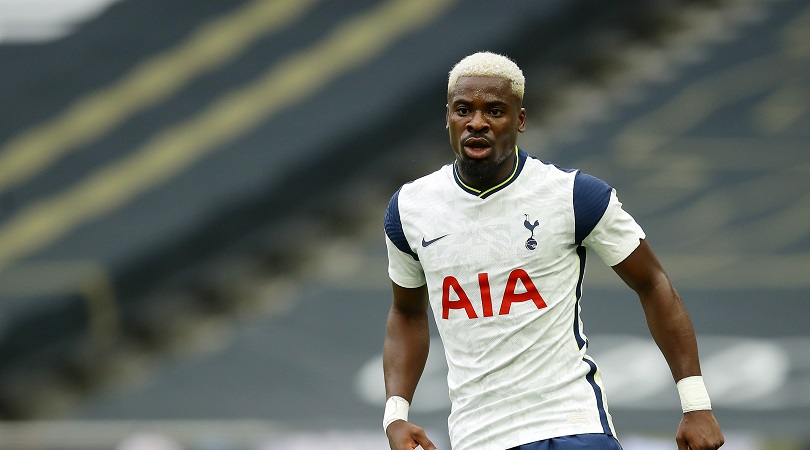
The Professional Journey of Serge Aurier
Have you ever wondered what it takes for a modern defender to maintain a high level of performance across the top leagues in France, England, and Spain? Serge Aurier represents a specific archetype of the modern wing-back, combining raw physical power with an aggressive desire to influence the final third of the pitch. For those who follow international football closely, his name is synonymous with the rise of Ivorian talent on the global stage. Beyond that, the landscape of sports tracking has evolved, and fans often consult a Kèo nhà cái to understand the statistical probability of such dynamic players impacting a match outcome. This blend of tactical evolution and data-driven analysis has defined his tenure at some of the world’s most prestigious clubs.
A significant portion of his early development took place in the French academy system, where his physical attributes quickly set him apart from his peers. One thing very few actually pay attention to is the sheer consistency he displayed during his formative years at Lens and Toulouse. In addition, the way he adapted his game to meet the demands of high-stakes environments showcased a psychological resilience that would become a hallmark of his career. For those who track player performance through a Keo nha cai, his defensive contributions and crossing accuracy have often been key indicators of his team’s overall tactical health. Notably, his transition from a promising youngster to a mainstay in the Paris Saint-Germain lineup solidified his reputation as a top-tier European talent.
Technical Foundations in the French Ligue 1
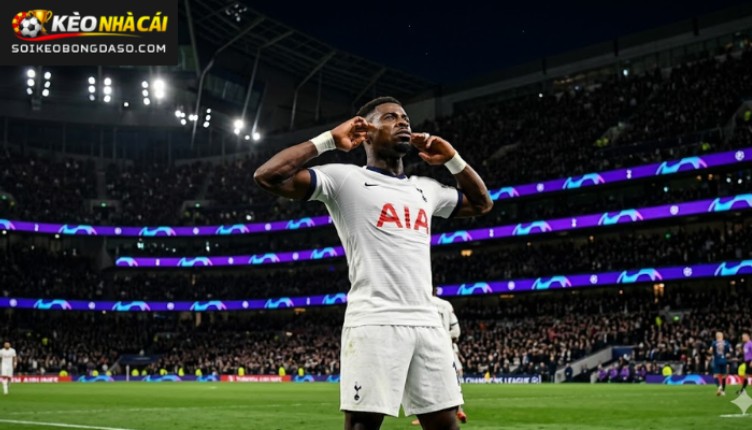
The early years of Serge Aurier were characterized by a rapid ascent through the ranks of French football, where he demonstrated a unique ability to dominate the right flank. At Toulouse, he became one of the most productive defenders in Europe, frequently registering goals and assists that rivaled elite midfielders. This offensive output made him a primary target for Paris Saint-Germain, a club looking to assert dominance both domestically and in the Champions League. Another key aspect of his time in Paris was the refinement of his positioning under various tactical systems.
While his time in the French capital was marked by numerous domestic trophies, it also served as a period of intense scrutiny. For those who analyze football through the lens of a Keo nha cai, his impact on the right side of the pitch often dictated the width and depth of the Parisian attack. Beyond that, his ability to recover defensively after high-intensity sprints became a vital asset for a team that frequently committed many players forward. Notably, his stint in Ligue 1 provided the necessary springboard for a move to the English Premier League, where his physical style would be put to the ultimate test.
Tactical Adaptations Within the Tottenham Hotspur System
Moving to North London presented a new set of challenges that required a shift in defensive philosophy and physical preparation. Serge Aurier joined a squad that was consistently competing for top-four finishes and deep runs in European competitions. In this high-tempo environment, his role shifted toward a more balanced approach, requiring him to manage elite wingers while still providing an outlet for the attack. A significant portion of his success at Tottenham came from his partnership with various high-profile managers who valued his versatility.
One thing very few actually pay attention to is how he managed the transition between different defensive structures, moving from a traditional back four to a wing-back role in a back five. In addition, his aerial prowess for a player of his height remained a constant threat during set-piece situations. For those who followed his progress during this era, his presence in the starting eleven often signaled a more aggressive tactical intent from the Spurs coaching staff. Notably, his longevity in the Premier League proved that his game was well-suited for the most demanding league in the world.
Leadership and the Ivorian National Team Identity
The international stage has always been a primary focus for Serge Aurier, where he transitioned from a young prospect to the captain of the Ivory Coast. Leading a national team requires more than just technical skill; it demands a level of emotional intelligence and organizational capability that he has embraced fully. Beyond that, his role in the national setup has been crucial in guiding the next generation of Ivorian talent as they navigate the complexities of professional football.
Notably, his commitment to the Elephants has seen him participate in multiple Africa Cup of Nations tournaments and the FIFA World Cup. Another key aspect of his international career is the way he balances his club responsibilities with the intense pressure of representing his country. For those who monitor international fixtures through a Keo nha cai, his availability often shifts the odds in favor of the Ivorian side. This leadership role has added a layer of maturity to his game that has been evident in his recent club spells across Europe.
Defensive Versatility in the Spanish Primera Liga
When the opportunity arose to join Villarreal, it marked a new chapter in a league known for its technical sophistication rather than pure physicality. Serge Aurier adapted quickly to the slower, more methodical build-up play characteristic of Spanish football. In this environment, his decision-making in possession became more refined, as he was required to participate in intricate passing triangles rather than relying solely on overlapping runs.
A significant portion of his time in Spain was spent contributing to a team that prided itself on tactical discipline and defensive organization. One thing very few actually pay attention to is how he adjusted his tackling technique to avoid unnecessary fouls in a league where referees are often more stringent. In addition, his experience in high-pressure knockout matches proved invaluable for a club that consistently punched above its weight in European competitions. Notably, his ability to provide veteran leadership in the dressing room was as important as his contributions on the pitch.
Physical Conditioning and Longevity in Modern Football
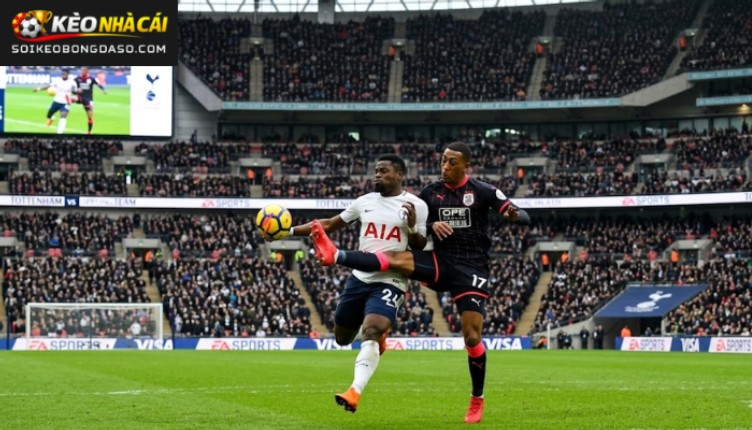
The endurance required to play as an elite full-back for over a decade is immense, and Serge Aurier has maintained a rigorous standard of physical fitness. In an era where sports science dictates every aspect of a player’s life, his ability to avoid long-term injuries while maintaining high sprint volumes is a testament to his professionalism. Beyond that, the evolution of his recovery protocols has allowed him to sustain his performance levels even as he moved into the later stages of his career.
Another key aspect of his longevity is his mental approach to the game, staying focused amidst the inevitable ups and downs of a professional sporting career. For those who study the career paths of modern defenders, his trajectory offers a blueprint for balancing natural athleticism with tactical intelligence. Notably, the brand of football he represents is one of resilience and adaptability. As he continues to compete at a high level, his influence on the game remains significant for both his club and his country.
Impact on the Next Generation of African Defenders
The legacy of Serge Aurier extends beyond his personal statistics and trophy cabinet; it lives on in the young African players who see him as a role model. By succeeding in three of the top five European leagues, he has proven that African defenders can reach the absolute pinnacle of the sport through hard work and tactical flexibility. In addition, his vocal leadership on and off the pitch has encouraged a more proactive approach to player representation and rights within the continent.
A significant portion of his post-match analysis often focuses on how he mentors younger teammates, sharing the lessons he learned in Paris, London, and beyond. One thing very few actually pay attention to is his involvement in grassroots initiatives that aim to improve footballing infrastructure in the Ivory Coast. Beyond that, his career serves as a reminder that the path to success is rarely linear and requires constant evolution. Notably, his story is one of a player who never stopped striving for improvement, regardless of the challenges he faced.
Conclusion
Why do we continue to hold Serge Aurier in such high regard despite the ever-changing trends of modern football tactics? The answer lies in his unwavering commitment to his role and his ability to remain relevant in an increasingly competitive market. For those who want to stay informed on the latest player developments and match insights, exploring the data provided by Keo nha cai can offer a deeper understanding of the game. His journey remains a compelling narrative of talent meeting opportunity on the world’s biggest stages. Registration grants immediate access to further analysis regarding these iconic sporting figures.