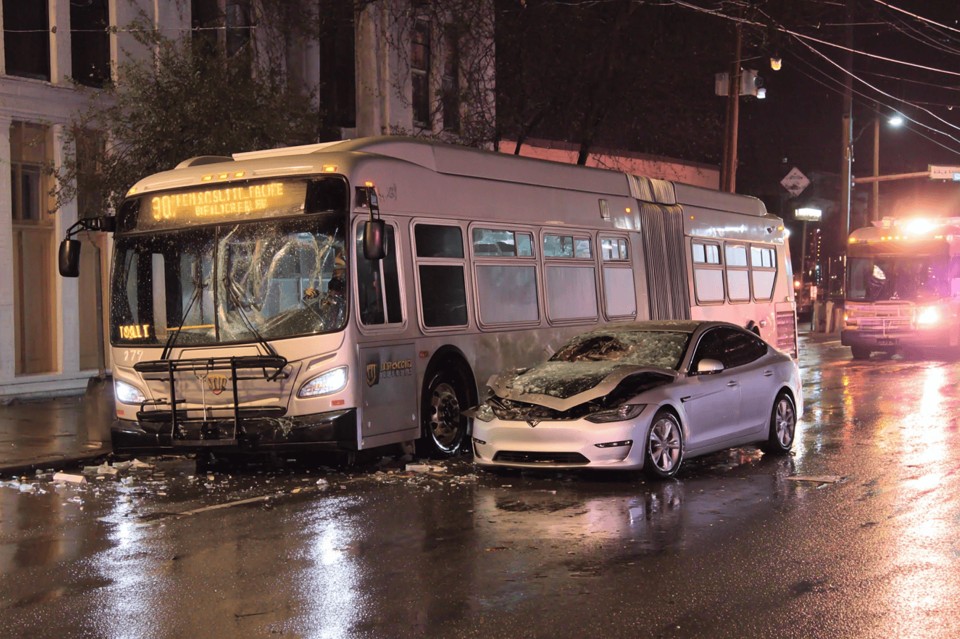
Washington, DC Bus Accident Settlements: Key Factors Affecting Value
A bus crash can turn a normal day upside down within seconds. One moment, you’re heading to work or home. Then, there’s noise, broken glass, pain, and a lot of questions. Soon, another question tends to come up. What is the bus accident claim worth? There isn’t one set dollar amount for every case. Washington, DC bus accident settlements depend on the facts, injuries, proof, and long-term harm. Even two crashes on the same street can lead to very different results. A DC Personal Injury Lawyer can review the facts and explain which issues may affect claim value. Knowing these factors early can help an injured person avoid costly mistakes.
Why Bus Accident Claims Feel a Bit Different
Bus crashes aren’t always like common car wrecks. More people may be hurt. Several vehicles might be involved. The bus could be run by a private firm or public agency. That changes things. A claim may involve a bus driver, bus owner, repair firm, or another driver. In some cases, more than one party shares blame. Finding each responsible party can affect the amount of money available for a claim. Then there’s the paperwork. Bus firms may keep driver logs, camera footage, repair files, and route records. Those records can tell a story that a basic police report misses. Think of the claim like a puzzle. One missing piece may change the whole picture.
The Injury Often Drives Settlement Value
The type and extent of harm play a major role in bus accident settlements. A sore neck that heals within weeks differs from a spinal cord injury. Medical records help show what happened after the crash. Emergency room notes, scans, therapy files, and doctor reports may all matter. More serious injuries can lead to higher medical costs and longer care. Some people need surgery. Others may face months of rehab or permanent limits. Catastrophic harm can change daily life in painful ways. Burn injuries may need skin care and later surgery. Spinal cord injuries can affect movement, work, and basic home tasks. Settlement talks should account for the full harm, not just the first hospital bill.
Medical Costs Tell Only Part of the Story
Here’s the thing: a claim isn’t always about bills already paid. Future care can be a large part of a bus accident case. A doctor may expect more surgery, physical therapy, pain care, or medical equipment. Those costs can stretch for years. Insurance firms may focus on current bills because those numbers are easy to see. Future costs take more work to prove. Medical views and care plans may help show what the injured person could need later. Skipping this step can leave a victim paying future bills from personal funds. That’s a rough surprise nobody wants.
Lost Pay Can Raise the Value of a Claim
Bus crash injuries often keep people away from work. A few missed shifts can hurt. Months without a paycheck can put a family under real strain. Lost wage records may include pay stubs, tax forms, or letters from an employer. Self-employed workers may need business records and past income proof. Some injuries also cut future earning power. For example, a person may return to work but can’t lift heavy items anymore. A worker may need fewer hours or a new job with lower pay. That loss can affect claim value. The key is clear proof. A rough guess won’t carry the same weight as solid records.
Pain and Daily Life Matter Too
Not every loss arrives with a receipt. Pain can make sleep hard. A person may stop exercising, driving, or spending time with friends. Simple tasks, such as carrying groceries, may become frustrating. These losses may be part of a claim for pain and suffering. The effect on daily life matters. So does the length of the pain. A short recovery isn’t the same as years of nerve pain or limited movement. Personal notes can sometimes help track symptoms and daily limits. Family members may also notice changes in mood, movement, and routine. It sounds personal because it is personal. A bus crash affects a human life, not just a case file.
Clear Fault Can Change Settlement Talks
Who caused the crash? That question can have a major effect on settlement value. Strong proof of fault may put more pressure on the party facing the claim. Useful proof may include:
- Bus camera footage
- Traffic camera video
- Witness accounts
- Police reports
- Driver records
- Phone data
- Bus repair files
Some proof can disappear with time. Video may be erased under routine storage rules. Witnesses can forget small but useful facts. Quick case work can help preserve records before they’re gone. Washington, DC also follows a strict contributory negligence rule in many injury cases. A claim may face serious trouble if the injured person is found partly at fault. That makes the facts and proof especially important.
Insurance Limits and Available Funds Matter
A severe injury doesn’t always mean a quick, high settlement. That may sound odd, but available insurance can affect recovery. A small policy may not cover every loss after a major crash. Bus cases can involve larger policies or several sources of coverage. The facts decide which parties and policies may apply. A lawyer may examine the bus owner, driver, contractor, repair company, or other motorists. The goal is to find each valid source tied to the crash. This part can get messy. Still, it can make a real difference when medical bills and future losses are high.
Gaps in Medical Care Can Hurt a Claim
After a crash, life gets busy. Work calls. Kids need rides. Medical visits may feel tiring or costly. Still, long gaps in care can create claim problems. An insurance firm may argue that the injury healed or wasn’t severe. It may also claim another event caused later pain. That doesn’t mean every person needs daily treatment. Care should follow medical advice. The records should show a clear and truthful path from injury through recovery. If a person misses care because of cost, travel, or another real issue, that fact should be documented.
The Quality of Evidence Can Shift Case Value
A strong case usually has organized proof. Medical records match the claimed injuries. Wage files show lost income. Photos and video support the crash facts. Weak records create room for disputes. You know what? Small details often matter more than people expect. A photo of a bruised shoulder may help show early pain. A work schedule can prove missed shifts. A doctor’s note may link new limits to the crash. Price Benowitz Accident Injury Lawyers, LLP handles many types of injury cases in Washington, DC. The firm works with claims involving car, truck, motorcycle, bicycle, bus, and pedestrian accidents. It also represents people facing severe harm, including burn and spinal cord injuries. Bus accident settlement value depends on the whole story. Injuries matter. Fault matters. Future care matters. And good proof can tie those parts together.
Frequently Asked Questions
1. How much is a Washington, DC bus accident settlement worth?
There is no fixed settlement amount for a bus accident claim. The value depends on injury severity, medical costs, lost pay, future care, and pain. Fault and available insurance can also affect the result. A severe injury with lasting limits may carry more value than an injury that heals quickly. Strong records help show the true scale of the loss.
2. Does a serious injury increase a bus accident settlement?
Yes, serious injuries can increase the value of a claim. Severe harm often brings higher medical bills and longer recovery times. Some victims also need future surgery, therapy, or daily care. Burn and spinal cord injuries may cause permanent life changes. Settlement talks may account for these future needs when strong medical proof supports them.
3. Can I recover lost wages after a DC bus crash?
Lost wages may be part of a bus accident injury claim. An injured person may seek payment for work missed during recovery. A claim may also address reduced future earning power. Pay records, tax files, employer letters, and medical limits can help prove these losses. Self-employed victims may need added business records.
4. How does fault affect a Washington, DC bus accident claim?
Fault can have a major effect on the claim. Washington, DC’s contributory negligence rule can create a harsh barrier when an injured person shares blame. Video, witness statements, driver records, and crash reports may help show what happened. Careful fact review is often key when the other side disputes fault.
5. How long does a bus accident settlement take?
The timeline depends on the facts and the extent of the injuries. A claim may take longer when medical care is still ongoing or fault is disputed. Cases involving severe injuries may need time to measure future costs. Several responsible parties can also slow talks. Rushing a claim before the full harm is known may affect the final settlement value.